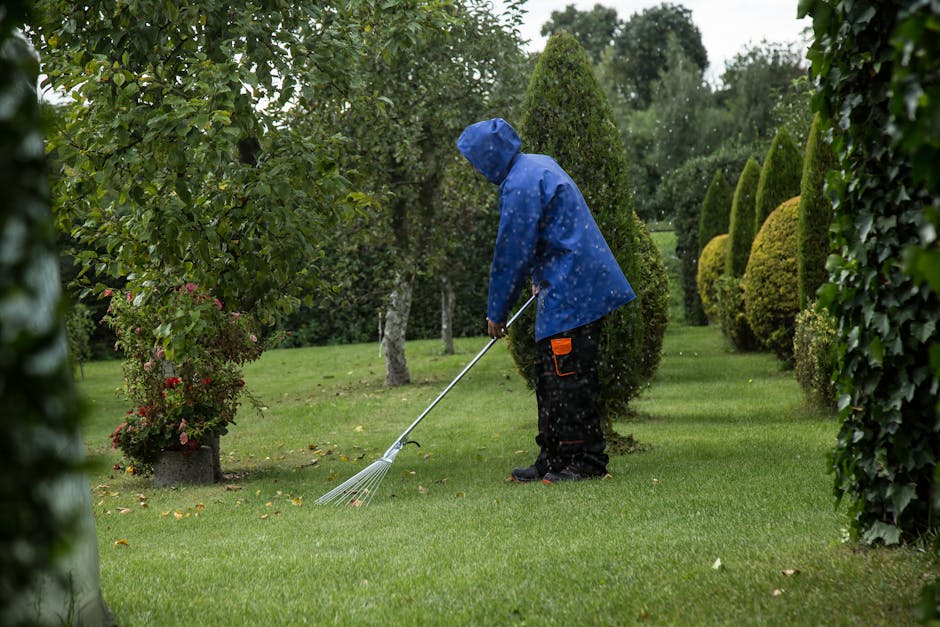
Same day gardeners Rainham for urgent garden clearance

If your garden has tipped from "a bit untidy" into proper chaos, you are not alone. Storm debris, piled-up cuttings, an overgrown hedge, or a garden that simply needs to be usable again can quickly become a problem. Same day gardeners Rainham for urgent garden clearance is exactly the kind of service people look for when time matters, whether it is for a last-minute house viewing, a tenancy handover, a family event, or just to get on top of something before it gets worse. The good news? A fast clearance does not have to mean a rushed or messy job. Done properly, it is careful, organised, and surprisingly restorative.
In this guide, you will learn how urgent garden clearance works in practice, what to expect from a same-day visit, which jobs are best suited to it, and how to avoid the common mistakes that slow everything down. I will also cover practical checklists, compliance considerations, and a few sensible ways to turn a cleared garden into something easier to maintain afterwards. Let's face it, once the mess is gone, the whole space feels lighter.
Why Same day gardeners Rainham for urgent garden clearance Matters
Urgent garden clearance is not just about aesthetics. A garden can become unsafe, unusable, and more expensive to deal with if debris is left to sit. Wet leaves turn slippery, broken branches can block access, weeds go to seed, and stacked waste can attract pests. In a place like Rainham, where weather can shift quickly and gardens can take a battering, delays often make the job harder than it needed to be in the first place.
There is also the practical side. If you are moving house, trying to meet a deadline, or preparing for work on fencing, decking, or landscaping, a clear site makes everything smoother. It is much easier for a team to assess the garden properly when they are not working around old pots, tangled climbers, and half-decayed hedge cuttings. For many homeowners, the real relief is simple: you can breathe again when the garden is no longer hanging over you.
One thing people underestimate is how quickly a cluttered outside space affects the whole property. A front or back garden full of waste can make the house feel unfinished, even if the interior is spotless. That is why a rapid response matters. It gives you momentum. And once momentum starts, the rest follows.
If your garden has also suffered from wind damage or seasonal mess, it may be worth reading about weatherproofing against harsh conditions so the same problem does not keep returning.
How Same day gardeners Rainham for urgent garden clearance Works
Same-day clearance usually begins with a quick assessment. You explain what needs removing, what the access is like, and how urgent the job really is. A good gardener will listen for the detail that matters: is there green waste, heavy rubble, thorny growth, broken timber, or a mix of everything? The mix changes the approach, and sometimes the vehicle size, tools, and time needed.
From there, the team normally arrives with the right cutting tools, sacks, loading equipment, and protective gear. They will clear loose debris first, then cut back overgrowth, then load waste efficiently so the site can be tidied and checked at the end. If there are larger items, such as a collapsed shed panel, thick branches, or old garden furniture, these may be broken down on site to save time and make removal safer.
In a well-run urgent clearance, the team does not just "hack things back" and leave. They work in a sequence. That often means:
- Identifying the most urgent hazards first.
- Separating waste into manageable piles.
- Cutting and lifting in the safest order.
- Loading waste as they go, instead of creating a second mess.
- Raking, sweeping, and checking access routes before leaving.
The pace is brisk, but the standard should still be careful. Fast does not mean sloppy. If anything, good same-day work depends on being more organised than usual. A wet afternoon, a narrow side return, or a garden packed with brambles can turn a simple job into a bit of a puzzle. The best teams know how to solve that puzzle without drama.
For readers planning to improve the garden after the clearance, it can help to review a structured garden makeover approach so the clean-up becomes the first useful step rather than a temporary fix.
Key Benefits and Practical Advantages
The biggest benefit of same-day clearance is obvious: speed. But the real value goes deeper than that. A fast response can prevent a small issue from becoming a bigger one, and that matters whether you are a homeowner, landlord, letting agent, or business owner with outdoor space that needs attention.
Here are the advantages that tend to matter most:
- Immediate safety improvement - loose branches, hidden edges, and trip hazards are removed quickly.
- Better visual presentation - the garden looks cared for again, which helps for visitors, buyers, tenants, or neighbours.
- Less stress - when the clock is against you, having it handled in one visit is a real relief.
- More efficient follow-up work - clearance makes it easier to carry out hedge trimming, lawn mowing, patio cleaning, or landscaping afterwards.
- Reduced chance of pest and weed issues - rotting waste and seed-heavy growth do not linger as long.
There is also a quieter benefit that people often mention after the job is done: the garden becomes usable again. Not perfect, maybe. But usable. You can open the back door without feeling annoyed. You can see the shape of the space. Sometimes that is enough to re-energise the whole property.
Expert summary: urgent garden clearance is most effective when it is treated as a reset, not just a tidy-up. Remove the waste, clear the access, and leave the space ready for the next sensible step. That is the difference between short-term relief and a garden that stays manageable.
If the space has become unruly because of hedges, a focused trim can make a surprisingly large difference. You can explore hedge trimming in Rainham for a related service that often pairs well with clearance work.
Who This Is For and When It Makes Sense
This service is not only for people in a crisis, though it certainly helps in a crisis. It is for anyone who needs the garden back in order quickly and safely. A same-day visit makes sense when time, access, or presentation is the priority.
Typical situations include:
- tenancy end clean-ups and pre-inspection preparation
- post-storm garden debris removal
- overgrown lawns, beds, or borders that are blocking access
- pre-sale presentation before photographs or viewings
- clearance before fence repair, decking work, or tree work
- needing to reclaim a garden after a long period of neglect
- urgent removal of cuttings after hedge trimming or pruning
It can also suit people who simply do not want a multi-day project hanging over them. Some gardens are not "fix this over a weekend" jobs. They need a proper reset, and a quick one at that. If the thought of starting is more tiring than the work itself, well, that is a sign.
Families with children or dogs often need rapid clearance for another reason: safety. Broken sticks, hidden rubbish, and dense overgrowth make outdoor play difficult. If that sounds familiar, you may also find ideas for a child-friendly garden and dog-friendly gardening guidance useful after the clearance is done.
Step-by-Step Guidance
If you want the process to run smoothly, a bit of preparation helps. It does not need to be complicated. In fact, simple is better.
1. Walk the garden and note the priority areas
Start with the parts that are causing the biggest problem. Is it the rear path, the hedge line, the lawn, or a pile of cut branches in one corner? Identify hazards first. If you can, take a quick look at access routes too. Narrow gates and side passages can affect how fast waste is moved out.
2. Separate what is staying from what is going
That old planter might look like rubbish now, but maybe you want to keep it. Same for tools, pots, timber edging, or decorative stones. A quick sort before the team arrives saves time and avoids misunderstandings. It sounds obvious, yet it saves more friction than people expect.
3. Describe the garden honestly
Be clear about what is in the space. Heavy waste, thorny growth, root balls, damp material, or broken timber all affect the visit. If there is anything awkward to move, say so. Nobody benefits from surprises halfway through the job.
4. Ask how the clearance will be carried out
Good teams will explain the plan in straightforward terms. They should tell you what they will clear, roughly how the work will be staged, and whether any items may need special handling. If you are unsure, ask. There is nothing fussy about asking how your own garden will be managed.
5. Check the finish before the team leaves
Before everything wraps up, look at the access paths, borders, and corners where debris tends to hide. Ask for a final sweep if needed. A proper same-day job should end with the space looking clean enough to work with, not like the tidy-up was left half-finished because everybody was in a rush.
For many gardens, a follow-on service such as routine garden maintenance is the easiest way to stop things from drifting back into neglect. Clearance gets you back to zero. Maintenance keeps you there.
Expert Tips for Better Results
After enough clearances, a few patterns become obvious. The jobs that go best are usually the ones where the homeowner thinks just one step ahead.
First tip: book the clearance before the problem multiplies. A little overgrowth is cheaper and easier to remove than a garden that has been left through a whole wet season. You know this already, probably, but it is still worth saying.
Second tip: ask for the garden to be made workable, not merely empty. That means focusing on paths, gates, borders, and the area you actually use. A cleared garden that still blocks access is only half useful.
Third tip: if hedges are part of the issue, combine the work with a tidy cut rather than leaving ragged edges behind. A sharp boundary makes the whole garden feel calmer. If you like reading practical advice first, this hedge trimming guide gives a good sense of what a neat finish can achieve.
Fourth tip: think about the next growth stage. Bare soil, exposed borders, and open patches can all be improved later with mulch, ground cover, or low-maintenance planting. That is where a lot of long-term value comes from. The garden becomes easier to live with, not just easier to look at.
Fifth tip: if you are planning future planting, keep a few sections under control rather than clearing everything to a blank slate. A completely stripped garden can look harsh for a while. Sometimes a gentle reset is better than a dramatic one.
For ideas on planting that helps reduce future tidying, ground cover plant ideas and fast-growing hedge options are worth a look.
Common Mistakes to Avoid
The most common mistake is waiting until the garden is so overgrown that every task becomes more difficult. That is when root systems thicken, weeds spread, and waste piles become awkward to move. What could have been a quick fix turns into a much heavier job.
Another common slip is not explaining access properly. If there is a locked gate, a low arch, fragile paving, or a shared side passage, say so in advance. Speed depends on preparation. It really does.
People also underestimate the amount of waste they have. A few bags quickly become many. Branches look small until they are stacked. This is why honest description matters more than optimism. Nobody likes a mid-job surprise, especially on a same-day visit.
Then there is the mistake of assuming clearance and disposal are the same thing. They are related, yes, but waste has to be handled correctly. Green waste, timber, soil, rubble, and mixed debris may need different treatment. A professional approach keeps everything safer and more orderly.
One more: do not leave the garden in a "good enough for now" state if there are still sharp offcuts, unstable stacks, or hidden hazards. It is tempting. It is also how small accidents happen when nobody is watching the corner by the fence.
Tools, Resources and Recommendations
Urgent clearance jobs often rely on a practical, no-nonsense toolkit. The exact equipment will vary, but the general idea is always the same: cut safely, move efficiently, and leave the space clean.
| Task | Typical tools or resources | Why it helps |
|---|---|---|
| Overgrowth reduction | Secateurs, loppers, hedge trimmers | Speeds up cutting while keeping edges controlled |
| Branch and debris removal | Gloves, heavy-duty sacks, wheelbarrow | Makes loading safer and more efficient |
| Path and patio clearing | Brooms, stiff brushes, leaf rakes | Restores access and improves presentation |
| Waste handling | Collection vehicle, tarps, sorting containers | Helps separate waste and reduce mess during loading |
| Follow-on upkeep | Mulch, compost, low-maintenance plants | Reduces the chance of the problem returning quickly |
For many households, the best "resource" is actually a clear plan for what happens after clearance. That might mean booking lawn mowing, arranging patio cleaning, or getting help with ongoing lawn care so the cleaned space remains presentable.
If you are building a garden that is easier to live with long-term, a few related ideas can help: low-maintenance garden tips, weed control strategies, and even turning green waste into better soil where appropriate.
Law, Compliance, Standards, or Best Practice
For garden clearance, best practice matters because waste, safety, and property access are all involved. You do not need to become a compliance expert overnight, but a few basics are worth keeping in mind.
First, waste should be handled responsibly. Green waste, mixed rubbish, and heavier materials should be separated where practical, because that makes disposal cleaner and more orderly. If the job involves removing cuttings, soil, or broken outdoor materials, it is sensible to ask how they will be dealt with.
Second, safety should never be improvised. Reasonable protective equipment, safe lifting, and a clear working area are not optional extras. They are the difference between a professional visit and a risky rush. If you are comparing providers, pages such as health and safety information and insurance and safety guidance are the kind of trust signals you should expect to see.
Third, if work is being done near boundaries, fences, or shared access, clear communication with neighbours can avoid friction. That is not a legal lecture, just common sense. Gardens are private spaces, but the space around them can involve other people pretty quickly.
Lastly, if you are booking a service, read the practical paperwork. terms and conditions, payment and security details, and privacy information are part of a trustworthy service experience, not a boring formality to be skipped.
Options, Methods, or Comparison Table
Not every garden needs the same kind of response. Some need a fast reset, others need phased work. Here is a simple way to think about the options.
| Approach | Best for | Pros | Trade-offs |
|---|---|---|---|
| Same-day clearance | Urgent mess, deadlines, safety concerns | Fast, immediate relief, restores access quickly | May need follow-on work if the garden is very overgrown |
| Planned clearance | Non-urgent tidy-ups | More time to sort, schedule, and phase tasks | Does not solve immediate problems |
| Clearance plus maintenance | Gardens that keep falling behind | Better long-term control, fewer repeat issues | Requires ongoing commitment |
| Clearance plus landscaping | Spaces needing redesign after clutter is removed | Transforms the garden, not just cleans it | Usually takes longer and costs more overall |
To be fair, many gardens start with the first option and end up needing the third. That is normal. Clear the mess first, then decide whether the space needs maintenance, redesign, or a bit of both. A rushed decision upfront can lead to wasted effort later.
If your garden has features that could be improved after clearance, you might also look at decking services, landscaping, or fencing once the site is accessible again.
Case Study or Real-World Example
A typical urgent clearance call might involve a Rainham homeowner who has had several weeks of wet weather, a hedge that has surged ahead, and a back garden that is no longer easy to use. There is a narrow path, a pile of cut branches by the shed, and leaves stuck to the patio in that slightly grimy way only autumn and rain can manage.
The first goal is not perfection. It is access. The team clears the path, cuts back the hedge enough to open the space, removes the loose waste, and sweeps down the main surfaces. The lawn is still there, the borders are still there, but now the space can be walked through without dodging branches.
What changes for the homeowner is immediate. The back door opens to a garden that feels lighter. The family can step outside. The next morning, there is no dread looking at it from the kitchen window. And this is often the turning point: once the pressure drops, sensible next steps become easier to make.
In many cases, the follow-up is modest rather than dramatic. A little lawn care, some hedge trimming, and maybe a longer-term plan for low-maintenance planting. Sometimes that is enough. The garden does not need to be fancy. It just needs to feel like yours again.
Practical Checklist
Use this checklist before booking or before the team arrives. It keeps things simple.
- Identify the most urgent hazards or access issues.
- Decide what must be removed and what should stay.
- Check whether there are heavy items, thorny growth, or awkward access points.
- Make sure gates, side entrances, and parking arrangements are clear.
- Move valuables, tools, and fragile items out of the work area.
- Ask how waste will be handled and what the finish should include.
- Think about follow-on work such as mowing, trimming, or patio cleaning.
- Review any useful service information before confirming the booking.
- Have a simple plan for what the garden should look like after clearance.
- Walk the space once the work is complete and check the details.
If you want to make the job easier from the start, a clear first message helps a lot. You can also learn more about the wider service range through gardening services and read about the team behind the work on the about us page.
Conclusion
When a garden needs clearing urgently, speed is only part of the story. The real goal is to restore safety, access, and a sense of control without creating another headache. That is what makes same-day garden clearance so valuable in Rainham: it gives you a practical reset at the moment you need it most.
Whether you are dealing with storm debris, overgrown hedges, a move-out deadline, or a garden that has simply got away from you, a well-handled clearance can change the feel of the whole property. And once the space is open again, you have room to think clearly. What needs trimming? What should be replanted? What can stay simple? Those are much better questions to be asking than "how did it get this bad?"
Get a free quote today and see how much you can save.
Sometimes the nicest thing you can do for a garden is just give it a proper fresh start. Quietly, neatly, and without fuss.
Frequently Asked Questions
What does same day garden clearance usually include?
It usually covers urgent removal of garden waste, overgrowth, fallen branches, and other debris that is preventing normal use of the space. The exact scope depends on the garden and access.
How fast can a same-day gardener in Rainham arrive?
That depends on workload, location, and the size of the job. Same-day usually means the work is arranged and completed on the same calendar day where availability allows.
Is urgent garden clearance suitable for an overgrown garden?
Yes, especially when the overgrowth is blocking access, creating hazards, or making the property look neglected. Very dense or long-neglected gardens may need a staged approach.
Can I book same day clearance for a rental property?
Yes. It is a common reason for urgent clearance, particularly before check-outs, inspections, or new tenants moving in. Clear communication about what needs to be removed is important.
Will the team take away all the waste?
Usually, yes, if waste removal is part of the service arranged. It is wise to confirm this at the start so there is no confusion about what stays and what goes.
Do I need to prepare the garden before the gardeners arrive?
A little preparation helps. Move personal items, unlock access, and identify anything you want kept. You do not need to tidy the whole garden first; that is the point of the visit.
Is same day clearance more expensive than a planned visit?
It can be, because urgent work often requires quicker scheduling and more flexible resource use. The exact price depends on the garden size, waste volume, and task complexity, so a quote is the best route.
Can urgent clearance be combined with hedge trimming or mowing?
Often, yes. It makes sense to combine related tasks where possible, especially if the garden needs more than one pass to look fully presentable.
What if my garden has damaged branches after bad weather?
That is a strong reason to book urgently. Damaged branches can be hazardous, especially if they are hanging or unstable. In some cases, the team may suggest a related tree or pruning service if needed.
How do I know if a garden clearance provider is trustworthy?
Look for clear service information, sensible safety practices, transparent terms, and straightforward communication. Pages like insurance, health and safety, and pricing information help build confidence.
Can a clearance team help make the garden easier to maintain afterwards?
Yes. A good team will not just remove the mess; they will leave the space ready for simple ongoing care. That might mean advising on maintenance, planting, or trimming priorities.
What should I ask for before confirming the job?
Ask what is included, how waste is handled, whether access is a problem, and what the final finish should look like. A short, clear conversation up front prevents most headaches later.