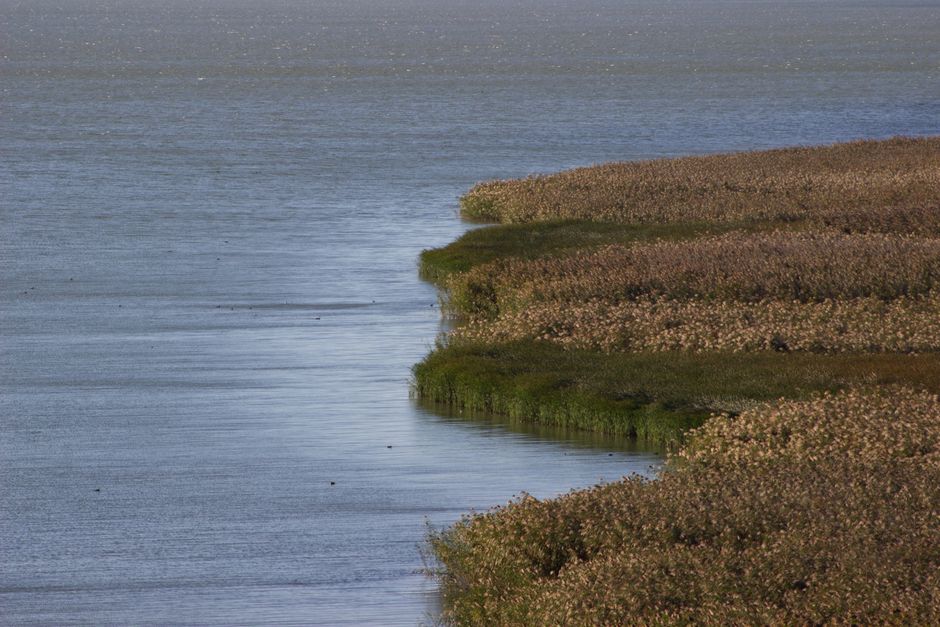
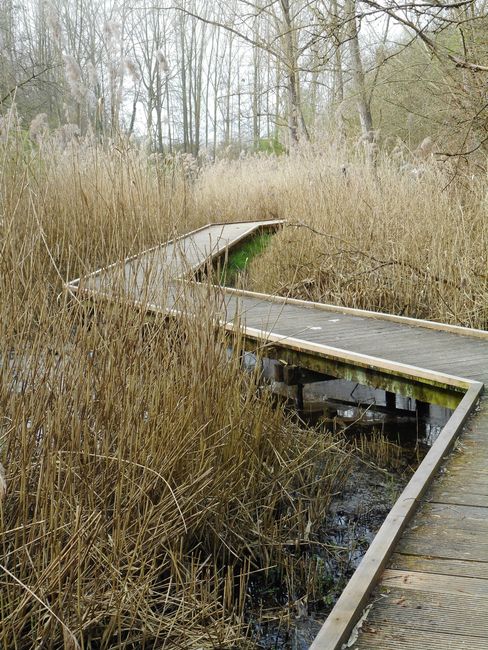
Rainham Marshes gardeners guide to planting near the reserve
If you garden anywhere near Rainham Marshes, you already know the setting is a bit special. The light feels open, the winds can be sharp, and the land has that mix of marsh-edge dryness, heavier clay, and pockets of dampness that can catch newer gardeners out. This Rainham Marshes gardeners guide to planting near the reserve is here to help you choose plants, place them properly, and avoid the usual headaches that come with garden borders near sensitive wildlife areas. The goal is simple: a garden that looks good, settles in well, and works with the local conditions rather than fighting them.
Near a reserve, planting is never just about colour. It is about shelter, root spread, soil movement, water use, wildlife value, and a bit of common sense. Truth be told, the wrong plant in the wrong spot will show you pretty quickly. The right one? It quietly does its job for years.
Why Rainham Marshes gardeners guide to planting near the reserve Matters
Gardening near Rainham Marshes reserve calls for a slightly different mindset. You are close to a landscape shaped by open skies, wet ground, seasonal movement, and wildlife pressure. That affects almost everything: what survives winter, which plants need support, how much water the soil holds after rain, and how exposed your garden feels in a south-westerly blow.
It also matters because planting near the reserve has an impact beyond your fence line. A well-chosen border can support pollinators, soften hard edges, reduce wind whip, and create a more stable habitat corridor. A badly chosen border can become weedy, thirsty, and frankly a nuisance. You do not need perfection. You do need a plan.
If you are starting from scratch, it can help to read some broader basics first, especially if you are new to garden planning. The advice in these beginner gardening tips fits neatly with this local approach, and so does the thinking behind sustainable gardening. Both are useful if you want your planting to be more resilient and less wasteful.
Expert summary: near Rainham Marshes, the best planting decisions usually balance three things at once: exposure, soil moisture, and wildlife value. If a plant only works because you baby it every week, it is probably the wrong plant.
How Rainham Marshes gardeners guide to planting near the reserve Works
At a practical level, planting near the reserve works by matching your garden to its microclimate. That means reading the site first. Where does the wind cut across? Which areas dry out quickly? Which corners stay wet after a storm? Where does the fence throw shade in winter? These small details matter more than a fancy plant list.
The reserve edge tends to reward plants that can cope with:
- consistent wind exposure
- occasional salt-laden or dry air movement, depending on exact location
- heavier soils in some spots and compacted ground in others
- periods of standing moisture after rain
- seasonal wildlife traffic, from birds to small mammals
So the process is less "pick your favourites" and more "choose the right type for the right role." For example, a privacy screen might need a hedge or structured shrub, while a boundary facing open space might do better with layered planting. If you want a deeper look at screening options, fast-growing hedge options and this guide on hedge trimming shapes and techniques are both worth a read.
Near a reserve, plant structure also matters. Low ground cover can stop soil splash and reduce weeds, while taller shrubs create shelter and nesting cover. Climbing plants can soften fences without using much ground space. If your garden is compact, that layered thinking becomes even more useful. The team behind vertical gardening ideas explains the same principle in a more space-saving way.
Key Benefits and Practical Advantages
Done properly, planting near Rainham Marshes gives you a garden that feels calmer and lasts longer between interventions. That sounds simple, but it is a big deal in real life.
- Better resilience: wind-tolerant and moisture-aware planting is less likely to collapse, scorch, or rot.
- Lower maintenance: plants suited to the site need less feeding, less replanting, and less rescue work.
- Improved privacy: layered planting can screen views without creating a harsh wall.
- Wildlife value: nectar-rich, seed-bearing, and sheltering plants support local biodiversity.
- More usable space: if the wind is broken and the soil is stable, seating areas and paths feel better too.
There is another benefit people sometimes overlook: mental comfort. A garden that performs steadily near a reserve edge just feels easier to live with. No constant patching. No surprise die-back. No endless mud. Not glamorous, but very welcome on a wet Tuesday in November.
If you are shaping a bigger garden project around these planting decisions, it may also help to think about nearby hard landscaping and finishing touches. For instance, a sheltered spot for a bench can make the whole garden more usable, and the ideas in garden seating design for outdoor spaces can help you place that corner well.
Who This Is For and When It Makes Sense
This guide is for homeowners, tenants, and small commercial property managers who want to plant near the reserve responsibly and sensibly. It is especially helpful if your garden backs onto open ground, has a long boundary, or gets strong winds from the marsh side.
It also makes sense if you are dealing with any of these situations:
- a new-build garden with poor soil and little shelter
- a tired border that keeps drying out or washing away
- a fence line that needs softening without blocking light completely
- a wildlife-friendly garden that still needs to be neat and manageable
- a family garden where durability matters more than high-fuss ornamentals
If you are a first-time gardener, do not worry. You do not need to know every Latin name. Start with the conditions, then build from there. And if you want a bit more hand-holding with the basics, the article on unlocking beginner gardening secrets is a sensible companion.
This is also for anyone who has tried the "plant it and hope" approach. We have all seen it: one soggy winter later, the rose is sulking, the lavender has gone woody, and the border is basically a weed convention. There is a better way.
Step-by-Step Guidance
Here is the practical sequence I would use for planting near the reserve. Keep it simple. Overcomplicating the first stage is where many projects go sideways.
- Observe the site for a full week, if you can. Watch wind direction, sun patches, wet spots, and where leaves collect. Morning and late afternoon look different.
- Test the soil by hand. Is it sticky clay, sandy and free-draining, or a mixed soil? You do not need a lab to spot the basics.
- Decide each planting job. Do you need privacy, pollinator value, ground cover, shade softening, or just seasonal colour?
- Choose plant types, not just plant names. Think in categories: shrubs, ground cover, climbers, grasses, herbs, bulbs, and perennials.
- Prepare the ground properly. Remove weeds, break up compaction, and add organic matter where needed.
- Plant in groups. Repeating a few well-chosen species usually looks better and is easier to maintain than a scattergun mix.
- Mulch and water in well. A good mulch keeps moisture in and helps roots settle.
- Review after the first season. Move, replace, or thin anything that is failing to cope with the site.
In practical terms, a border near the reserve might include tough grasses, wind-resistant shrubs, a strip of ground cover, and one or two more decorative plants for seasonal interest. If you need suggestions for that lower layer, have a look at UK ground cover plant picks and superb ground cover plants. Ground cover is not just tidy filler; it is a working part of the garden.
For a compact plot, planting in containers can also be a smart bridge solution while you figure out the permanent layout. That is where container gardening earns its keep. Pots are not a consolation prize, by the way. They can be part of a very deliberate design.
Expert Tips for Better Results
Here are the small decisions that tend to separate a decent border from one that really settles into place.
1. Put shelter before showiness
A beautiful plant in a brutal position is a short-lived joy. Build wind shelter first. That might mean a hedge, a staggered shrub line, or climbers on a fence. Even a half-sheltered bed is often better than an exposed "feature" planting that gets battered all year.
2. Use repetition to calm the view
Near open reserve land, the eye often wants a place to rest. Repeating a few plants creates rhythm. It also makes your border look more intentional, which matters when the backdrop is expansive.
3. Choose plants with more than one job
A shrub can screen and feed pollinators. A ground cover can suppress weeds and protect soil. An herb can be edible and decorative. That sort of overlap gives you better value from every square metre.
4. Keep an eye on winter shape
Some plants look fine in summer and then become a floppy mess in wind and rain. Pick forms that still look respectable when stripped back by weather. If you are preparing for colder months, the note on plant safety as winter approaches is especially relevant.
5. Do not ignore maintenance access
If you cannot reach the back of a bed to weed, prune, or mulch, it will start to show. Leave sensible access paths. A good garden is one you can actually work in without cursing under your breath.
And one small human note: on a breezy evening, when the reeds are moving and the wind is doing that low hush that marshland gets, a well-sited border can feel almost protective. That matters more than people think.
Common Mistakes to Avoid
Let's face it, most planting problems near the reserve come from a few repeat mistakes. Avoid these and you are already ahead.
- Planting too close together. Young plants look tiny at first, then become overcrowded and unhealthy.
- Ignoring wind exposure. Delicate plants may survive a mild week, then fold after one rough spell.
- Using thirsty plants in dry, open spots. They will need constant watering and still may struggle.
- Overfeeding the soil. Rich soil is useful, but too much feeding can push weak, lush growth that snaps in wind.
- Skipping weed control. If you miss the early stage, weeds will soon outpace your new plants. A good overview is in weed control strategies.
- Mixing too many styles. Random plant shopping is fun for about five minutes. Then the border looks confused.
- Forgetting seasonal structure. Choose something that still gives shape in late autumn and winter.
A quieter but common problem is poor soil preparation. People often assume the soil "will do." Sometimes it does. Often it does not. If your site has tired or compacted ground, the guidance on turning organic waste into lifegiving soil is a useful mindset shift.
Tools, Resources and Recommendations
You do not need a huge kit, but you do need the right basic tools. A few solid items make a real difference when you are working in windy, sometimes damp conditions.
- Spade and border fork: for digging, turning, and loosening compacted soil
- Secateurs: for tidy pruning and removing damaged growth
- Wheelbarrow or trug: for moving mulch, compost, and waste
- Watering can or hose attachment: for controlled watering during establishment
- Mulch and compost: to improve moisture retention and feed soil life
- Gloves and sturdy footwear: because marsh-edge gardens can be slippery after rain, and nobody enjoys soggy socks
If you want a bit more confidence choosing kit, the roundup on top tools for outdoor enthusiasts in the garden is a practical place to start. For gardens where low effort is the priority, the article on low-maintenance gardening tips also aligns well with this topic.
For people working on bigger changes, it is worth considering whether planting is the whole job or part of a larger garden refresh. In some cases, new planting looks best alongside fencing, lawn repair, or landscaping tweaks. If that is the direction you are heading, these pages may help: fencing, landscaping, lawn care, and garden maintenance.
Law, Compliance, Standards, or Best Practice
Near a reserve, best practice matters even when there is no obvious permit or formal rule in play. The main idea is simple: do not create avoidable harm to habitats, neighbours, or garden users.
That means keeping planting choices sensible and avoiding invasive species that can spread into nearby ground. It also means checking whether your work could affect boundary structures, drainage, protected trees, or access routes. If you are unsure about anything structural or boundary-related, it is better to pause and get advice than to improvise.
For home gardeners, a sensible standard is to use good horticultural practice: appropriate plant selection, safe handling of tools, careful disposal of waste, and regular maintenance. If contractors are involved, you should also expect clear communication on access, safety, and insurance. If that is relevant to your project, the pages on insurance and safety, health and safety policy, terms and conditions, and payment and security are useful trust signals.
Also, if you are planning work close to shared boundaries or access points, a bit of neighbourly communication goes a long way. Not a legal lecture, just a decent human habit. It saves headaches.
Options, Methods, or Comparison Table
Different planting approaches suit different goals near Rainham Marshes. Here is a simple comparison to help you decide where to start.
| Planting approach | Best for | Strengths | Watch-outs |
|---|---|---|---|
| Mixed shrub border | Wind buffering, privacy, structure | Looks established, supports wildlife, gives year-round form | Needs space and occasional pruning |
| Ground cover layer | Weed suppression, moisture control, tidiness | Low maintenance, protects soil, visually neat | Can spread too far if poorly chosen |
| Climbers on fence or trellis | Softening boundaries, adding height | Uses little ground space, useful in small gardens | Needs support and pruning |
| Container planting | Patios, awkward spots, test planting | Flexible, tidy, easy to move | Dries faster and needs regular watering |
In many gardens, the smartest answer is not one method but a mix. A hedge for shelter, a ground cover strip for weed control, and a few containers for seasonal colour can work beautifully together. If privacy is a concern, the guide to fast-growing hedge options pairs naturally with this decision.
Case Study or Real-World Example
Picture a small back garden near the reserve with a rear fence that catches the full force of the wind. The soil is heavy after rain, but oddly dry on top in summer. The owner wants more privacy, less mud, and something that does not need constant babysitting.
The solution was not a single dramatic plant. It was a layered plan. A wind-tolerant hedge line created structure. Ground cover filled the front edge to reduce bare soil. A couple of climbers softened the fence. Containers added seasonal interest near the seating area, so the garden still felt lively even in colder months.
After one growing season, the biggest difference was not just appearance. The garden was easier to walk through after rain, the border held together better in windy weather, and the owner spent less time filling gaps and fewer weekends fighting weeds. Small changes, but they added up. That is usually how good gardens work, to be fair. Quietly.
If you are planning something similar, you may also want to think about a simple seating corner or a child-friendly section. The articles on building a child-friendly garden paradise and creating an enchanting garden perfect for little ones offer ideas that can slot into a family garden without making it chaotic.
Practical Checklist
Before you start planting near the reserve, run through this checklist. It keeps the project grounded.
- Have I checked wind, sun, and wet areas across the site?
- Do I know whether the soil drains quickly or holds water?
- Have I chosen plants for the site, not just for looks?
- Is there a clear purpose for each planting area?
- Have I allowed space for mature plant size?
- Will I be able to reach everything for pruning and weeding?
- Have I thought about winter appearance as well as summer colour?
- Do I have compost, mulch, and basic tools ready?
- Is my plan wildlife-friendly without becoming messy?
- Do I know when I will review and adjust the planting?
Quick takeaway: if your answer to most of these is "yes," you are in good shape. If not, pause and tidy the plan before you dig. That little bit of patience usually saves a lot of rework later.
Conclusion
Planting near Rainham Marshes reserve is about working with the place, not forcing it. Once you respect the wind, the soil, the seasonal moisture, and the wildlife context, the garden becomes easier to manage and more rewarding to look at. You do not need rare plants or complicated schemes. You need the right structure, the right ground preparation, and a steady eye on maintenance.
Start small if you need to. One border, one hedge line, one patch of ground cover. Then build. The best gardens near open reserve land usually arrive in stages anyway. And that is fine. Actually, that is often better.
Get a free quote today and see how much you can save.
Frequently Asked Questions
What plants grow best near Rainham Marshes?
The best choices are usually wind-tolerant shrubs, tough perennials, grasses, ground cover, and climbers that can handle changing moisture levels. The exact mix depends on whether your spot is dry, exposed, or heavier with clay-like soil.
Do I need special plants because I live near a reserve?
Not special, exactly, but you do need better matched plants. Near a reserve, planting should be more resilient, less needy, and more considerate of wildlife and wind exposure.
How do I make my garden more wildlife-friendly without letting it get messy?
Use layered planting, include some nectar-rich species, leave a few sheltered spaces, and keep clear edges and access routes. Wildlife-friendly does not have to mean untidy. It just needs a bit of thought.
Is ground cover useful near the reserve?
Very much so. Ground cover helps suppress weeds, protect soil, and keep moisture in. It is especially useful in exposed areas where bare ground can dry out or erode quickly.
Should I choose hedges or fences for privacy?
Both can work, but hedges offer softer screening and a more natural feel, while fences give instant structure. Many gardens use both together, which is often the most balanced option.
Can I plant in containers near Rainham Marshes?
Yes, and container planting can be a smart way to test plants or manage awkward spots. Just remember that pots dry out faster and need more regular watering than in-ground planting.
What is the biggest mistake gardeners make in this area?
Planting for appearance alone. A plant may look perfect in a catalogue, then struggle in windy, wet, or exposed conditions. Site fit matters more than trend.
How often should I maintain a newly planted border?
New plantings usually need closer attention in the first year: regular watering during dry spells, occasional weeding, checking mulch, and light pruning as needed. After that, the workload should settle.
Do I need to worry about invasive plants near the reserve?
Yes, you should be cautious. It is always sensible to avoid species that spread aggressively or are difficult to control, especially so close to open ecological space.
What if my soil is heavy and waterlogged in winter?
Choose plants that tolerate moisture, improve drainage where practical, and avoid species that hate wet feet. Adding organic matter can help structure, but it is not a magic fix overnight.
Can planting near the reserve help with privacy and shelter at the same time?
Absolutely. A layered scheme with hedging, shrubs, and climbers can create privacy and reduce wind at the same time. That combination is often the most useful one in exposed local gardens.
Where should I start if I feel overwhelmed?
Start with one problem area: maybe the windy fence, the soggy corner, or the bare border by the patio. Fixing one section well is better than trying to remodel the whole garden in one go. If you want help planning the bigger picture, you can also explore gardening services, about us, or request guidance through contact.