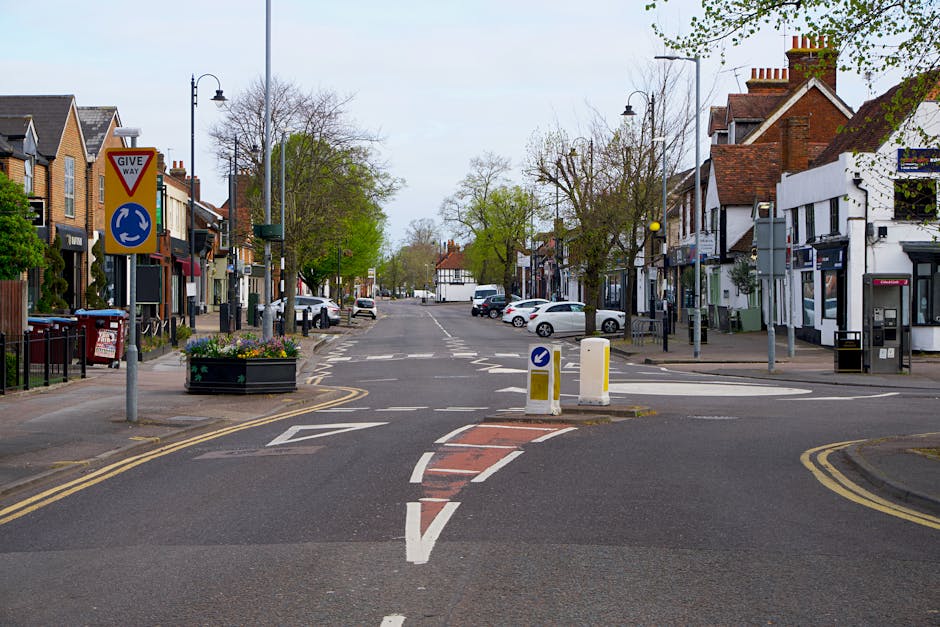
Rainham High Street commercial gardeners for shops and pubs

First impressions matter on a busy high street. If your shopfront looks tired, your pub frontage feels a bit forgotten, or the outdoor spaces around your business are fighting against weather and footfall, the right Rainham High Street commercial gardeners for shops and pubs can make a real difference. Not just a prettier border, either. We're talking about cleaner entrances, safer walkways, healthier planting, better customer appeal, and outdoor areas that still look decent after a wet week, a windy spell, and a few hundred pairs of shoes. In our experience, that combination is what customers notice first, even if they can't quite say why.
This guide breaks down how commercial garden care works for high street businesses, what it can solve, and how to choose the right maintenance plan without overcomplicating things. If you manage a pub terrace, a small retail frontage, or a shared outside space that gets battered day after day, this is for you.
Why Rainham High Street commercial gardeners for shops and pubs Matters
High street gardening is not the same as domestic gardening. A home garden can tolerate a bit of delay or an imperfect edge. A shop or pub frontage, on the other hand, is visible all day, every day, and it works as part of your business identity. People decide quickly whether a place feels inviting. A hanging basket that's gone patchy, weeds around a threshold, or a hedge that's grown lazy and uneven can quietly say the wrong thing.
For shops, good exterior planting and tidy hard landscaping help customers feel that the business is cared for. For pubs, it can create a better mood before anyone even steps inside. A neat planter, a well-kept boundary hedge, and a clean patio area can soften traffic noise, improve privacy, and give people somewhere pleasant to pause. Truth be told, a lot of these benefits are subtle. But subtle is exactly what makes them powerful.
There's also a practical side. Busy entrances collect litter, leaves, and mud. Wet paving becomes slippery. Shrubs can block signage. Overgrown beds can make a frontage feel cramped, which is the last thing you want if people are deciding whether to walk in. Commercial garden care helps keep all of that under control, consistently, rather than in occasional bursts when someone remembers it's become a problem.
A well-kept frontage does not shout for attention. It quietly reassures customers that the whole business is run properly.
If you want to improve a business frontage without turning it into a full redesign, small changes can go a long way. Things like low-maintenance planting, regular hedge trimming in Rainham, and seasonal refreshes often do more than a costly one-off makeover.
How Rainham High Street commercial gardeners for shops and pubs Works
Commercial garden maintenance usually starts with a walkaround. That is the sensible bit, and it matters. The gardener looks at sunlight, drainage, foot traffic, access points, planting condition, and how the space is actually used. A pub garden with outdoor seating has different needs from a florist with a narrow frontage or a cafe with container displays at the entrance.
From there, a plan is usually built around repeatable tasks. Not glamorous, but effective. Typical work might include mowing, edging, pruning, weed removal, hedge shaping, patio cleaning, seasonal planting, deadheading, litter clear-up, and checking for trip hazards. Some businesses need weekly attention; others are fine on a fortnightly or monthly cycle. The right interval depends on how fast the space grows, how much traffic it gets, and how much presentation matters at the door.
There's also the question of timing. In commercial work, timing is everything. A tidy terrace at 10 a.m. looks very different from the same area at 8 p.m. after rain, spills, and a bit of wind. A good maintenance routine tries to stay ahead of the mess rather than just reacting to it. That means planning work around opening hours, deliveries, customer flow, and, if needed, quieter periods early in the day.
For many sites, a mixed approach works best. For example, you may use regular garden maintenance for ongoing care, then add a seasonal tidy-up before busier trading periods. That keeps things stable, and stability is underrated.
Key Benefits and Practical Advantages
The benefits of professional commercial gardening are not limited to aesthetics, though that is the obvious one. There are several practical gains that shop and pub owners tend to appreciate once the routine is in place.
- Better kerb appeal: A clean, balanced frontage draws the eye in a way that clutter never will.
- Safer access: Regular clearing and surface care help reduce slip and trip risks near entrances and seating areas.
- Less stress for staff: Your team can focus on serving customers instead of fighting weeds or sweeping leaves every morning.
- More consistent appearance: A scheduled service keeps the space presentable between busy weekends, weather swings, and seasonal changes.
- Better use of outdoor space: Pub gardens, smoking areas, and terrace seating can become more comfortable and usable.
- Smarter plant choices: Commercial gardeners know which plants cope better with urban conditions, shade, wind, and repeated attention.
There's also a branding angle, though people sometimes overlook it. A business that looks tidy outdoors tends to feel more trustworthy inside. It is a small thing. Then again, small things are often what people remember.
If your frontage includes paving or seating, a regular clean-up through patio cleaning can make the whole space feel fresher without changing the layout at all. Pair that with lawn care if you have a grassed area, and the difference becomes obvious pretty quickly.
| Business need | What commercial gardening solves | Typical outcome |
|---|---|---|
| Busy entrance | Weeds, leaf build-up, untidy edges | Cleaner first impression and easier access |
| Pub terrace | Patchy planting, dirty paving, worn seating zones | More inviting outdoor experience for guests |
| Shop frontage | Overgrown shrubs, poor seasonal displays | Sharper street presence and better visibility |
| Shared yard or side space | Missed maintenance, hidden hazards | Safer, more usable operational area |
Who This Is For and When It Makes Sense
This kind of service is for any business that has outdoor space customers can see, use, or walk past. That includes pubs with beer gardens, retailers with planting at the door, cafes with small terraces, takeaways with front planters, and hospitality spaces that need regular presentation.
It also makes sense if your current setup is technically fine, but never quite looks finished. That half-tidy, half-neglected look is common. The plants are alive, the paving isn't broken, nothing is terrible... but the place still doesn't feel polished. Commercial garden care bridges that gap.
A few common scenarios:
- You have staff doing quick sweeping and watering, but no one has time for proper plant care.
- Your pub garden looks lively in spring but starts to sag by late summer.
- Your shopfront gets daily foot traffic and the beds keep getting crushed or dry out fast.
- You want to improve privacy around outdoor seating without building heavy screening.
- You need a low-maintenance plan that won't create extra work for your team.
If you are starting from scratch, it can help to read up on beginner-friendly gardening tips and then adapt those basics to a commercial setting. The principles are similar; the pace is not.
For businesses that want screening, structure, or a little privacy from the street, it is worth looking at fast-growing hedge options. And if your space is small or awkward, container gardening for pots can be an elegant solution. No drama, just useful planting.
Step-by-Step Guidance
Here is the practical way to approach commercial garden care for a shop or pub frontage.
-
Assess the space properly.
Walk the frontage at different times of day. Notice where water collects, where customers pause, where litter gathers, and which areas get blasted by wind. The best plan starts with what is actually happening on the ground, not what looks good in a brochure.
-
Identify the business priority.
Is the space mostly about appearance, safety, privacy, or usability? A pub terrace may need atmosphere and seating flow. A shop may need visibility and neatness. If you are clear on the goal, the planting and maintenance plan becomes far easier to shape.
-
Choose the right maintenance frequency.
Some frontages need weekly attention in growing season. Others can be maintained less often if the design is low-fuss. It helps to be realistic here. Overpromising on a beautiful space you cannot keep up with is a classic mistake.
-
Match plant choices to conditions.
For sunny spots, choose robust, tidy species that won't collapse after one hot spell. For shade, use planting that can stay healthy without constant rescue work. For narrow or high-traffic areas, container planting and ground cover can be more practical than fussy borders.
-
Build in hard-surface care too.
Many commercial spaces need more than planting. A clean patio, clear edge lines, and sound access routes make the whole thing work. If the paving is dirty, the planting has to work twice as hard to carry the impression.
-
Review the plan seasonally.
Spring growth, summer dryness, autumn leaf fall, winter damage - each season asks for something different. Seasonal reviews prevent the common "it looked fine in May" problem that catches a lot of business owners out.
One more thing. Keep a simple record of what was done and when. It does not need to be elaborate. A basic log helps when you are planning around events, inspections, or a change in trading hours. Boring? Maybe. Useful? Absolutely.
Expert Tips for Better Results
After enough site visits, a few patterns become obvious. The best-looking commercial frontages are usually not the ones with the most expensive plants. They are the ones with the most disciplined maintenance and the fewest awkward surprises.
- Keep planting simple near entrances. Busy doorways need clear lines, not complicated beds that are hard to maintain.
- Use repetition. Repeating a small group of plant types often looks smarter than scattering lots of different varieties around.
- Think about winter as early as summer. If the planting looks good only in July, that is not a long-term plan.
- Reduce weak points. If one area is always vandalised, windblown, or waterlogged, design around it rather than pretending it will behave.
- Pick plants with stamina. Hardy ground cover, tough hedging, and container-friendly shrubs can save a lot of headaches.
- Watch the sightlines. A good frontage should frame entrances and signage, not hide them.
If your site is exposed, it is worth thinking about weather resilience. A quick read on weatherproofing gardens against harsh conditions can help you avoid planting choices that look nice but fold at the first proper gust. Rainham can be a bit lively, let's face it.
For low-maintenance planting that still looks presentable, budget-savvy low-maintenance gardening tips are useful because they push you toward practical decisions instead of decorative guesswork.
Common Mistakes to Avoid
Most commercial garden problems are not dramatic. They are accumulations. A missed trim here, a dead plant there, a patch of moss nobody addressed, and suddenly the frontage feels shabby. Here are the big mistakes worth avoiding.
- Choosing plants for looks only. Pretty is not enough if the site is windy, shaded, or constantly brushed by people.
- Letting hedges drift. Hedges can look magnificent when maintained properly, but they can also become bulky and messy very fast.
- Ignoring hard surfaces. Clean planting won't save a dirty patio or slimy path.
- Underestimating seasonal work. Autumn leaves, winter damage, and spring growth all need planning.
- Using too many plant styles. A busy mix can look confused rather than creative.
- Leaving maintenance to staff with no gardening brief. Well-meaning effort is nice. It is not a maintenance strategy.
Another quiet issue is not protecting plants from weather and foot traffic. If your business frontage gets hammered by rain and wind, guidance on shielding gardens in blustery conditions is worth a look. It is the kind of thing people skip until the first broken stem appears on a Monday morning.
And if your site includes lawns or green strips, don't forget regular upkeep. A neat lawn is one of those details people barely notice when it is good, but very much notice when it is not. Funny old thing.
Tools, Resources and Recommendations
Commercial garden care depends on the right equipment, but you do not need every gadget in the shed. You need the kit that keeps work efficient, safe, and consistent.
- Sharp hand tools: For precise pruning, edging, and deadheading.
- Reliable hedge equipment: Important for shaping boundaries and keeping lines clean.
- Pressure or patio cleaning equipment: Useful for keeping customer-facing paving tidy.
- Good gloves, eye protection, and footwear: The basics matter more than people think.
- Waste bags and collection tools: Essential for quick clear-downs after trimming and sweeping.
- Seasonal planting materials: Compost, mulch, replacement plants, and containers when needed.
If you want to understand how plant choice affects workload, a couple of practical reads help. ground cover plant ideas can reduce bare soil and weed pressure, while more ground cover options give you additional choices for difficult spots. That sort of planting can be especially useful where staff and customers constantly move through the space.
For sheltered corners or walls, climbers for shady nooks can help add softness and vertical interest without eating up floor space. And if you are trying to improve structure, screening, or boundary definition, hedge trimming techniques are a sensible reference point.
One resource that often gets overlooked is the team itself. You want gardeners who understand commercial pacing, not just home-garden tidying. That means working around delivery times, avoiding disruption, and leaving the space fully usable. You can learn more about the people behind the service through the about us page if you are comparing options.
Law, Compliance, Standards, or Best Practice
For shops and pubs, compliance is mostly about common-sense safety, responsible work practices, and careful site management. Exact duties can vary depending on the premises, the type of outdoor area, and how the business operates, so it is wise to treat this as a best-practice conversation rather than a fixed legal shortcut.
In practical terms, good commercial gardening should support a safe customer and staff environment. That includes keeping paths clear, reducing obvious trip hazards, managing overgrowth near entrances, and working in ways that do not create avoidable risk. If tools are used on site, there should be sensible controls around access, storage, and safe operation. If waste is removed, it should be handled responsibly. If public areas are being worked on, the timing and setup should avoid unnecessary disruption.
It is also sensible to ask about insurance and safety processes before any work starts. A professional provider should be able to explain how they manage risk, what happens if something goes wrong, and how they protect both workers and the public. If you want a broader overview, the site's insurance and safety information is a useful starting point.
Other supporting policies can matter too, especially for business clients who want clarity on billing, service expectations, and site conduct. Pages covering terms and conditions, payment and security, and the complaints procedure may help you feel more comfortable before committing. That is fair enough. A lot of businesses like to know how things work before anyone turns up with a hedge cutter.
Accessibility also matters where customers are moving in and out of the space. If planting, signs, steps, or containers affect access, the design should leave safe routes open and readable. For reference, the site's accessibility statement and health and safety policy give a sense of the standards expected in a professional setting.
Options, Methods, or Comparison Table
Not every business needs the same type of garden support. Some need frequent maintenance. Some need one-off improvement work followed by lighter care. Others need a blend of both. Here is a practical comparison.
| Approach | Best for | Strengths | Trade-offs |
|---|---|---|---|
| Regular maintenance visits | Busy shops, pubs, and customer-facing fronts | Consistent appearance, fewer surprises, easier planning | Requires ongoing commitment |
| Seasonal tidy-ups | Lower-traffic sites or budgets with limited flexibility | Good for spring refreshes and autumn recovery | Problems can build between visits |
| One-off makeover | New openings or visibly tired frontages | Fast visual improvement, helpful reset | Needs follow-up maintenance or the effect fades |
| Mixed maintenance and improvements | Most commercial properties | Balances budget, appearance, and practicality | Needs a clearer plan from the start |
For many Rainham businesses, the mixed option is the sweet spot. A one-off clean and reshape can sort the immediate issues, then a simple maintenance plan keeps everything from sliding backwards. Not fancy. Just sensible.
Case Study or Real-World Example
Picture a pub on a busy stretch of Rainham High Street. The front terrace gets morning delivery traffic, afternoon sun on one side, and heavy footfall by evening. The planting is patchy, the paving darkens after rain, and the hedge along the boundary has become uneven. Nothing is broken, but the place does not feel welcoming.
In a situation like that, the first step would usually be a clean-up and reset. The patio is cleared, the hedge is shaped, the dead growth is removed, and the planting scheme is simplified. A few hardy container plants are added near the entrance, while the soil around the edges is refreshed and mulched to suppress weeds. Then the maintenance plan is set around the pub's busiest days, so the space stays presentable when it matters most.
The result is not just visual. Staff spend less time apologising for the outside area. Customers feel more comfortable sitting out. The front of the business stops looking like a side issue and starts doing some actual work. That is the real point, really.
The same approach works for a shop too, especially if the frontage is narrow. Small pots, a tidy hedge line, and clean paving can create a polished entrance without cluttering the pavement. Sometimes all a place needs is a bit of order. Amazing what order does.
Practical Checklist
Use this quick checklist before booking or planning commercial garden work for a shop or pub.
- Check how visible the frontage is from the street.
- Identify safety issues such as slippery paving, broken edges, or blocked access.
- Decide whether the priority is presentation, privacy, or usability.
- List any plants that repeatedly fail in the current conditions.
- Note the best times for work so business is not disrupted.
- Think about seasonal pressures like wind, frost, heat, and leaf fall.
- Choose maintenance frequency based on real workload, not wishful thinking.
- Make sure waste removal and clean-down are part of the arrangement.
- Ask how insurance, safety, and access are handled on site.
- Review whether hard surfaces need cleaning as well as the planting.
If you are planning a fuller refresh, you might also explore broader landscaping support, especially where layout changes, screening, or structural planting are involved. For exposed boundary issues, fencing can help define space and improve privacy. And if trees are overshadowing signage or dropping too much debris, tree surgery may be the missing piece.
Conclusion
Rainham High Street businesses need outdoor spaces that work hard, not just look nice for one good day in spring. The right commercial gardeners help shops and pubs stay tidy, welcoming, and easier to manage through the seasons. That means better curb appeal, safer access, less stress for staff, and a frontage that supports the business instead of distracting from it.
Whether you need regular maintenance, a smarter planting plan, or a one-off reset before things get busier, it helps to start with a clear view of the space and a realistic plan for keeping it in shape. Simple usually wins. Reliable definitely wins.
Get a free quote today and see how much you can save.
And if you are still weighing things up, that is fine too. A good outdoor space is built steadily, not hurried. The best ones feel easy to walk past, easy to use, and quietly good in all the right ways.
Frequently Asked Questions
What do Rainham High Street commercial gardeners for shops and pubs usually do?
They usually handle routine maintenance such as hedge trimming, pruning, mowing, planting, weed control, patio cleaning, and general tidy-ups for customer-facing outdoor areas.
How often should a shop or pub frontage be maintained?
It depends on the site, but many busy commercial spaces benefit from weekly or fortnightly attention during the growing season, with seasonal reviews to adjust the schedule.
Can commercial gardeners help make a pub garden more inviting?
Yes. A good plan can improve planting, privacy, seating flow, and the overall feel of the outdoor area so it works better for guests.
What is the difference between domestic and commercial garden care?
Commercial care is usually more structured, more visible, and more tightly timed around business use, customer access, and public safety.
Do I need both planting and hard-surface maintenance?
Often, yes. A tidy border can be let down by dirty paving, so combining plant care with patio or path cleaning usually gives the best result.
What plants work well for high street frontages?
Hardy, low-maintenance, and tidy-looking plants are often best. Ground cover, containers, hedging, and resilient shrubs can all work well depending on the site conditions.
How do I keep an outdoor seating area safe and presentable?
Keep access clear, remove debris regularly, manage slippery surfaces, and make sure planting does not block routes, signs, or exits.
Is hedge trimming important for business premises?
Very much so. Neat hedges help frame entrances, improve visibility, and stop the frontage from looking overgrown or blocked.
Can a small shop frontage still benefit from commercial gardening?
Absolutely. Even a few containers, a tidy threshold, and a simple planting scheme can make a small frontage feel more polished and professional.
What should I ask before booking a gardening service?
Ask about the scope of work, how often visits happen, what happens with waste, how safety is managed, and whether the plan can be adapted to your trading hours.
Are seasonal changes a big deal for commercial gardens?
Yes. Weather, growth rates, leaf fall, and winter damage all affect how a frontage looks and performs, so seasonal planning is essential.
How do I get started if my outdoor area is messy and I do not know where to begin?
Start with a basic assessment of safety, visibility, and maintenance priorities. Then arrange a simple clear-up and build from there, rather than trying to solve everything at once.
Where can I find more information before making a decision?
You can review service pages, compare maintenance options, and look at practical guidance on the site before deciding what combination of care suits your shop or pub best.