Garden waste disposal rules Havering council tips for gardeners
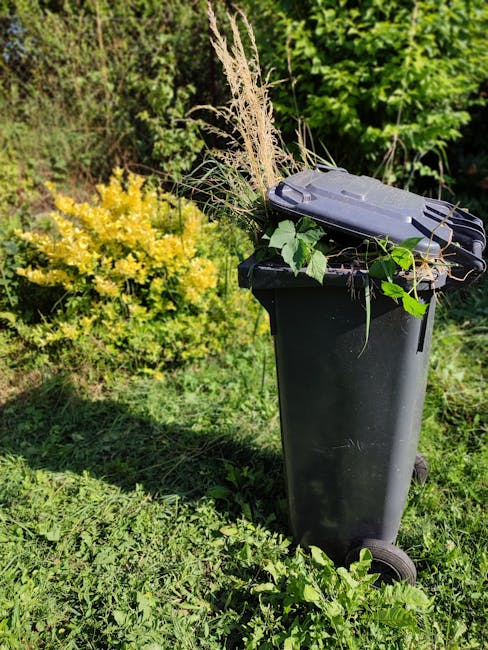
If you garden in Havering, sorting out green waste properly can be the difference between a tidy plot and a bin day headache. Garden waste disposal rules Havering council tips for gardeners matter because even simple jobs like hedge cuts, grass clippings, and dead leaves can become awkward if they are mixed, overfilled, or put out the wrong way. The good news? Once you know the basic routine, it becomes fairly straightforward. In this guide, you will find practical advice, sensible local-minded tips, and a clear process for dealing with garden waste without making more work for yourself.
Whether you are a weekend gardener with a small lawn or you manage larger outdoor spaces, the same basic principle applies: keep organic waste clean, separate, and easy to remove. That sounds simple, and in fairness it mostly is. But the details matter. A soggy pile of soil, a few broken plant pots, and a heap of hedge trimmings are not all treated the same, and that is where people get caught out.
Why Garden waste disposal rules Havering council tips for gardeners Matters
Garden waste is not just "rubbish". It is usually organic material such as grass cuttings, hedge trimmings, weeds, branches, leaves, and small prunings. Once you understand that, the rules make more sense. Councils generally want this material kept separate from general household waste because it can often be composted, mulched, or processed more efficiently. That is better for the environment, and it also keeps collection systems cleaner and safer.
For gardeners, the practical side is just as important. If you are cutting back a laurel hedge on a damp Tuesday evening, the last thing you want is to discover your green waste has been rejected because it was mixed with soil or builders' debris. It happens. More often than people admit, actually.
Another reason this matters is cost control. Proper sorting can reduce the amount of waste you need removed as mixed waste, and it may stop repeat collection issues. It also helps if you use a professional service such as garden clearance support when the job is too big for your own bins. The cleaner and more organised the load, the easier the disposal side becomes.
Key point: garden waste rules are mainly about separation, presentation, and making it easy for the council or waste contractor to handle your waste without contamination.
How Garden waste disposal rules Havering council tips for gardeners Works
In day-to-day terms, the process usually follows a simple pattern: collect the right waste, keep it separate, store it safely, and use the approved disposal route. That may mean your own garden waste container, a council collection method if available in your area, a local recycling point where permitted, or a licensed private clearance service. The right option depends on how much waste you have and what kind it is.
The material itself matters. Soft green waste, such as grass and leaves, is usually straightforward. Woody waste, such as thicker branches, can often still be handled, but it needs to be cut down into manageable pieces. Mixed waste is where things get messy. Soil, rubble, old fencing, plant pots, treated timber, and plastic ties can all change how a load is treated. Let's face it, most gardens produce a bit of everything after a proper tidy-up, so sorting as you go saves time later.
If you regularly maintain your outdoor space, keeping on top of lighter jobs such as lawn mowing, hedge trimming, and garden maintenance can stop waste from piling up in the first place. Small, regular cuts are much easier to manage than one giant seasonal clear-out. You know the type: suddenly the back corner looks like a small jungle and somehow the bin is already full.
Most disputes and disposal problems come down to one of three things:
- too much waste being put out at once
- the wrong materials being mixed into green waste
- containers or bags not being prepared in the way expected
Always check the latest local guidance before you put waste out, because collection arrangements can change. That is the honest answer, and it is the safest one too.
Key Benefits and Practical Advantages
Following garden waste disposal rules properly is not just about avoiding trouble. It also makes your gardening routine smoother. The biggest benefits are usually practical rather than dramatic, but they add up over time.
- Cleaner collections: sorted waste is easier to remove and less likely to be rejected.
- Less time wasted: if you separate waste while working, you do not need to sort it all again later.
- Better site appearance: tidy storage prevents unpleasant smells, windblown mess, and stray debris.
- Lower contamination risk: keeping plastics, pots, soil, and stones out of green waste reduces problems.
- More sustainable handling: organic material can often be recycled or composted more effectively when it is clean.
There is also a less obvious advantage: planning waste disposal forces you to plan the garden job itself. If you know you have a pile of branches, hedge trimmings, and old turf to remove, you can choose the right tools, bags, and collection method before you start cutting. That is where a lot of the stress disappears.
For larger jobs, a service that understands both clearance and sustainability, such as recycling and sustainability practices, can help make the process more efficient. Not glamorous, perhaps, but very useful.
Who This Is For and When It Makes Sense
This guidance is for anyone producing garden waste in Havering, but it is especially useful if you fall into one of these groups:
- homeowners doing seasonal tidy-ups
- tenants with small gardens or shared outdoor spaces
- landlords preparing a property for viewings
- busy gardeners who maintain several plots
- older residents who want a simple, safe disposal routine
- people dealing with a one-off big clearance after weather damage or overgrowth
It also makes sense for anyone deciding whether to manage waste themselves or bring in help. If the job is limited to a few bags of clippings, self-management may be fine. If you are dealing with heavy branches, tangled ivy, or a full border dig-out, professional help can save your back and, frankly, your weekend.
One rainy afternoon, a gardener doing a modest front-garden tidy can usually deal with waste in a couple of bags. But after a full hedge reduction in early spring, the same garden may produce enough material to fill a van. Same garden, very different plan. That is why disposal rules need to be thought through before the first cut is made.
If your work includes tree debris or larger woody material, you may also want to look at tree surgery or tree lopping and removal where appropriate, because tree waste often needs more careful handling than standard green waste.
Step-by-Step Guidance
Here is a simple, practical way to handle garden waste without overcomplicating it. Keep it calm, keep it neat, and do it in order.
- Sort waste as you create it. Put grass cuttings, leaves, branches, and weeds into separate piles if you can. This keeps the final load cleaner.
- Remove non-organic items first. Pick out plastic ties, plant labels, broken pots, wire, stones, and old bits of packaging.
- Deal with soil carefully. Soil and turf can be treated differently from green waste, so do not mix them casually into every bag.
- Cut large branches down. Long sticks and awkward limbs take up space and can make handling unsafe. Shorter lengths stack better and are easier to collect.
- Use suitable bags or containers. Strong bags or reusable tubs are usually better than overstuffed sacks that split the moment you lift them.
- Store waste where it stays dry and contained. A neat corner, not blocking access, is usually best. If it is windy, weigh things down or cover them.
- Choose the right disposal route. Follow Havering's current collection arrangements if available, or use a reputable clearance service when the volume is too high.
- Final check before collection. Make sure nothing prohibited has been mixed in. A quick five-minute check can save a failed collection. Worth it.
If you are managing a larger outdoor project, combine disposal planning with the job itself. For example, hedge work and border clearance often create both soft and woody waste, while driveway-edge tidying may also involve surface cleaning. In that case, it can be useful to coordinate garden work with patio cleaning or even broader landscaping work so the whole space is dealt with in one organised pass.
Expert Tips for Better Results
Here is the practical know-how that makes waste disposal easier, especially if you garden regularly.
- Trim little and often: small maintenance cuts generate smaller waste loads and are easier to manage.
- Use a tarp or sheet: it makes gathering leaves and clippings faster and reduces mess on paths.
- Keep a "non-green" pile: one tub for pots, ties, wire, and labels saves endless sorting later.
- Break down bulky cuttings early: do it while the branches are still fresh and flexible, not after they have dried and turned awkward.
- Think about access: if waste has to be carried through a narrow side return, keep loads smaller and lighter.
- Schedule around weather: a dry morning is easier than wrestling wet grass in the dark. The smell alone tells you that much.
Another useful habit is to align disposal with regular service work. For example, if you already book lawn care or gardening services, ask how waste is separated and removed. Good teams usually have a routine for this, and it makes the whole job cleaner and quicker.
Finally, if your garden has fencing, decking edges, or hard landscaping, plan your clearance carefully. Debris tends to lodge in corners and joints. A neat finish often takes a few extra minutes with a hand rake or blower, but it is worth it.
Common Mistakes to Avoid
Most problems are avoidable, which is the frustrating part. People usually know they should be careful, then the work gets busy and the wrong things end up in the pile. Very human. Very normal.
- Mixing green waste with general rubbish: food packaging, broken plastic, and household waste do not belong in garden waste.
- Adding soil or rubble without checking: this can change the whole load type.
- Overfilling bags: if you cannot lift it safely, it is already too full.
- Leaving sharp branches exposed: these can injure you, your neighbours, or collection staff.
- Forgetting about contamination: a few weeds tangled around wire or plastic can cause issues.
- Waiting until the last minute: rushed sorting is where errors creep in.
One common mistake worth spelling out is this: not every "natural" material is automatically garden waste. Treated wood, painted timber, and damaged fixtures may need different handling. The same goes for old edging, broken fencing panels, and bits of patio debris. If in doubt, separate it and ask before disposal. That small pause can save a headache later.
Tools, Resources and Recommendations
You do not need a huge toolkit to manage garden waste well, but a few simple items make life easier. For most people, the basics are enough.
| Tool or resource | Why it helps | Best for |
|---|---|---|
| Heavy-duty garden bags | Keep waste contained and easier to carry | Leaves, clippings, light prunings |
| Tarp or ground sheet | Makes gathering waste faster and cleaner | Hedge cuts, leaf clear-ups |
| Secateurs and loppers | Help cut branches into safer lengths | Woody trimmings |
| Rake and leaf grabbers | Reduce hand-picking and speed up collection | Lawn and border tidy-ups |
| Clear sorting tubs | Separate green waste from non-organic items | Mixed garden jobs |
For bigger or more awkward clear-outs, a professional clearance team can be the smartest route, especially if you need help with heavy lifting or time-sensitive work. If price matters, it is sensible to check pricing and quotes before you book. And if you want to understand the company background and approach first, you can also review the site's about us page.
There are also trust and safety details worth checking before any hired help starts work. A proper health and safety policy and clear insurance and safety information are not just nice extras; they are signs of a service that takes the job seriously.
Law, Compliance, Standards, or Best Practice
Garden waste disposal sits within the wider framework of UK waste handling practice. You do not need to become a legal expert to stay on the right side of things, but you should understand the broad principles. Waste should be stored safely, kept separate where required, and handed to a proper disposal route. If you use a private contractor, it is wise to make sure they are operating lawfully and responsibly.
For gardeners, best practice usually means:
- separating green waste from general rubbish
- keeping contaminated material out of recycling loads
- not leaving waste in a way that creates nuisance or obstruction
- using sensible manual handling practices for heavy or awkward items
- checking local collection rules before you put anything out
If you are handling waste from larger pruning jobs or tree work, take extra care. Branches can be heavy, thorny, and unpredictable. That is where organised methods and clear risk awareness matter. In our experience, most avoidable issues happen when someone assumes "it's only a few cuttings". Then the pile grows. Fast.
It is also good practice to be mindful of sustainability. Composting suitable material, reusing mulch where appropriate, and separating reusable hard materials can reduce waste volume. A service that emphasises recycling and sustainability is usually a better fit for people who want a more environmentally responsible approach.
Options, Methods, or Comparison Table
There is more than one way to deal with garden waste in Havering. The best option depends on volume, urgency, and how much physical work you want to do yourself.
| Method | Best for | Pros | Trade-offs |
|---|---|---|---|
| Home sorting and council collection | Small to moderate regular waste | Convenient, low effort once set up | Depends on local collection rules and timing |
| Composting on site | Leaves, grass, soft plant matter | Environmentally friendly, reduces volume | Not suitable for all waste types, needs space |
| DIY transport to a disposal point | Occasional bulky loads | Direct control over the load | Time, vehicle space, lifting effort |
| Professional clearance | Large, heavy, or mixed waste | Fast, practical, less physical strain | Usually higher upfront cost |
If the job includes surface cleaning after clearance, a combined approach can be efficient. For instance, a hedge reduction followed by patio cleaning can leave the whole space feeling finished rather than half-done. That neat final look matters more than people think.
Case Study or Real-World Example
Picture a fairly typical Havering back garden after an early autumn tidy-up. The owner has cut back a hedge, cleared some perennials, pulled up weeds from the border, and removed a few branches blown down in a windy spell. Nothing extreme. But by the end, there is a surprising amount of material: a heap of soft green waste, a small stack of woody cuttings, and a bag of odds and ends that includes old twine, a cracked plant pot, and a few stones from the edge of the bed.
Instead of throwing everything into one load, the owner separates it into three piles. The soft waste goes into bags for collection. The branches are cut into shorter lengths. The non-organic bits are removed and disposed of separately. The result? No rejected waste, no second trip, and no awkward sorting on the pavement the night before collection. Simple, but effective.
That same approach works on larger jobs too. If the garden is badly overgrown, the smartest move is often to combine staged clearance with regular upkeep afterward. A one-off tidy-up is useful; a preventable repeat mess is not. A sensible maintenance plan, perhaps supported by garden maintenance, keeps waste levels under control and makes each job less of an event.
Practical Checklist
Use this checklist before you dispose of any garden waste. It is short on purpose.
- Have I separated green waste from general rubbish?
- Have I removed plastic, wire, pots, labels, and packaging?
- Have I checked whether soil, turf, or rubble needs separate handling?
- Have I cut branches to a manageable size?
- Are the bags or containers strong enough to lift safely?
- Is the waste stored neatly and not blocking access?
- Have I checked the current Havering collection or disposal arrangement?
- Do I need help for a larger or heavier load?
- Would a clearance service save time and reduce hassle?
If you are unsure about a large or mixed load, it is usually better to ask first than to guess. Gardening should feel satisfying, not like a compliance puzzle.
Get a free quote today and see how much you can save.
Conclusion
Garden waste disposal in Havering does not need to be complicated. The main idea is straightforward: keep green waste clean, separate it properly, and use the right disposal route for the type and amount of material you have. Once that habit clicks, the whole gardening routine feels calmer and more efficient.
For small gardens, a tidy system of bags, a tarp, and regular maintenance may be enough. For bigger clearances, it often makes sense to get help with removal, sorting, and safe handling. Either way, the same principle applies: plan the waste before you start cutting, and the job gets easier.
And honestly, that is what good gardening often comes down to - a bit of planning, a bit of patience, and not leaving yourself with a mountain of branches at dusk. Do it steadily, and the garden will thank you for it.
Frequently Asked Questions
What counts as garden waste in Havering?
Garden waste usually means organic material from routine outdoor maintenance, such as grass cuttings, leaves, weeds, hedge trimmings, small branches, and plant debris. Items like plastic pots, wire, rubble, and treated timber are generally not part of green waste and should be handled separately.
Can I put soil in my garden waste?
Soil is often treated differently from soft green waste, so it should not always be mixed into the same bags. Small traces may be unavoidable after root removal, but larger amounts usually need separate handling. If you are dealing with turf or a lot of soil, check the current disposal guidance before loading it all together.
Should I bag garden waste before collection?
In many cases, yes. Strong bags or containers make garden waste easier to move, store, and collect. They also reduce the risk of windblown mess and make it easier to keep different waste types separate. Just avoid overfilling them. That is where the back pain starts.
What should I do with hedge trimmings and branches?
Cut larger pieces down into manageable lengths and keep woody waste separate from general rubbish. Hedge trimmings and branches are usually fine as garden waste if they are clean and uncontaminated. If the load is large, a clearance service may be the most practical option.
Can garden waste go in my general household bin?
Generally, it is better not to mix garden waste with household rubbish. Green waste is usually handled through separate collection or disposal routes because it can often be recycled or composted. Putting it in the wrong bin can create problems at collection time.
What is the easiest way to manage a big garden clear-out?
The easiest way is to sort as you go, separate organic from non-organic material, and decide early whether you need professional help. For bigger jobs, using a service such as garden clearance can save time and reduce the physical strain of lifting and transporting heavy waste.
How do I stop garden waste from smelling or becoming messy?
Keep waste dry where possible, store it in contained bags or stacks, and remove it promptly rather than leaving it to sit for weeks. Wet grass and decomposing plant matter can smell a bit sour, especially in warm weather, so regular removal makes a noticeable difference.
Is composting better than disposing of garden waste?
For suitable material, composting is often a good option because it reduces waste and creates useful organic matter for the garden. It is not suitable for everything, though. Diseased plants, woody debris, and contaminated waste may need a different route. Use composting for the right materials, not all of them.
Do I need a professional service for small jobs?
Not always. Small jobs can often be handled easily with a few bags and good sorting. But if your garden has awkward access, heavy branches, or limited time, a professional service can be worthwhile even for what looks like a small job at first glance.
How can I tell if a waste contractor is a good choice?
Look for clear information about service standards, safety, insurance, and pricing. A useful provider should make the process easy to understand and should be open about how waste is handled. Checking pages like insurance and safety and pricing and quotes can help you compare options sensibly.
What is the main mistake gardeners make with waste disposal?
The most common mistake is mixing too many different materials together. Once green waste, soil, plastic, and rubble are all bundled into one load, disposal becomes harder and more likely to be rejected. A few minutes of sorting usually prevents that problem completely.
Where can I get help if my garden waste is too much to handle?
If the waste is too bulky, too heavy, or simply too time-consuming, a local gardening team can help with the clear-up and removal. Services such as gardening services and lawn care can also reduce how much waste builds up in the first place, which is often the smarter long-term fix.